Instagram Model Performs ‘Despicable Behavior’ To Gain Followers

An Instagram creator recently posted a video meant to stand out and attract attention—but the reaction didn’t go as expected. Instead of boosting her following, the content received widespread criticism, with many viewers expressing disappointment and concern.
It’s a strong reminder that building an online presence requires careful thought. Not every attempt to go viral leads to positive results, and content that misses the mark can impact how an audience perceives a brand.
Moments like this highlight how quickly things can shift on social platforms. A single post can influence reputation, engagement, and long-term growth. For creators and influencers, it underscores the importance of staying authentic, understanding your audience, and thinking through how content might be received before sharing it.


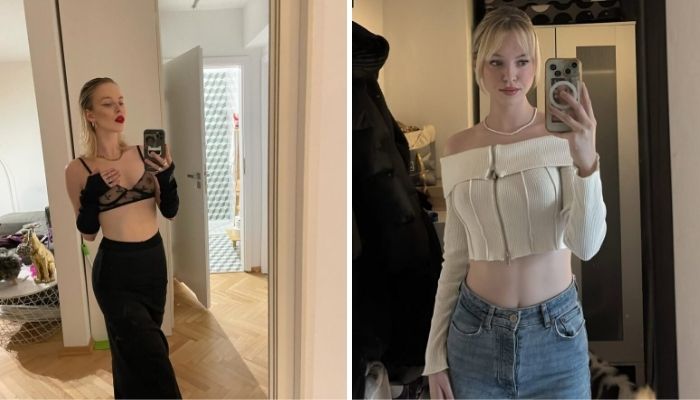
Julia Slonska aimed to grow her audience by sharing a bold, attention-grabbing video online. At the time, her modeling career was gaining momentum, with several advertising campaigns and brand partnerships already under her belt. Hoping to build on that success, she believed a standout post could bring even more visibility.
To create a polished look, she worked with a friend to film the clip in Warsaw’s Swiss Valley Park. However, the outcome didn’t match her expectations. Rather than generating positive attention, the video drew widespread criticism across social media.
What was intended as a creative marketing move quickly turned into a challenging moment for her public image. The situation highlights how online content can be interpreted in unexpected ways, and how quickly audience reactions can shape a creator’s reputation.

Julia Slonska became the center of intense online criticism after a video surfaced showing her damaging a historic statue in a public park.
In the clip, she looks into the camera, laughs, and then strikes part of an old angel statue with a hammer while a friend continues filming. The monument—already in poor condition—was left further damaged, drawing immediate concern from viewers once the video spread online.
What may have been intended as a bold or attention-grabbing post quickly turned into a serious reputational issue. Many people criticized the act, pointing out the importance of respecting shared cultural spaces and historical objects.
The situation is a clear example of how content decisions can have lasting consequences. For influencers and creators, it reinforces the importance of thinking beyond short-term visibility and considering the broader impact of what they share online.

Julia Slonska saw her video spread rapidly online—but not in the way she intended. Instead of boosting her image, it triggered widespread criticism, with many viewers calling out the act as damage to public property and showing a lack of respect for cultural heritage.
What may have been planned as attention-grabbing content quickly became a case study in how fast public perception can shift. A single post can travel widely within hours, and negative reactions often spread just as quickly—sometimes faster—than positive ones.
Reports from Metro suggest the clip was created in hopes of gaining more visibility online. However, rather than building a larger following, it led to significant backlash and put her reputation at risk.
The takeaway is straightforward: visibility alone isn’t the goal. For creators, sustainable growth comes from thoughtful content, awareness of audience expectations, and respect for shared spaces and values.

Julia Slonska faced a wave of criticism after the video circulated, with many commenters describing the act as careless and disrespectful toward public property. Some users even suggested legal consequences, turning the situation into a full-scale public relations issue almost overnight.
What began as an attempt to gain attention quickly highlighted a bigger lesson: not all visibility is beneficial. In the fast-moving world of social media and influencer marketing, content that crosses certain lines can damage trust and credibility just as quickly as it gains views.
The backlash also reflects how audiences today expect a level of responsibility from online creators. Actions perceived as harmful—especially involving shared cultural or historical spaces—can lead to lasting reputational impact.
One widely shared comment captured the general tone of the response, with a viewer writing, “There’s no excuse for behavior like that.” It underscored how strongly people reacted and how quickly public opinion can turn when content is seen as inappropriate.
Ultimately, the situation serves as a reminder that long-term brand growth depends on thoughtful decisions, respect for the community, and understanding how content will be received before it’s shared.

Julia Slonska quickly became the focus of widespread criticism after the video spread across platforms. Many viewers were shocked that a historic monument could be damaged for the sake of online attention, and the reaction poured in across YouTube, Instagram, and Twitter.
The situation escalated into a major online controversy, with users questioning how far some creators are willing to go for visibility. Instead of boosting engagement in a positive way, the incident raised concerns about credibility, responsibility, and long-term brand value.
For influencers and content creators, this serves as a clear example of how quickly things can shift. One poorly judged post can affect audience trust, partnerships, and overall reputation. While viral reach can be powerful, sustainable growth depends on thoughtful content choices and an understanding of how actions will be perceived beyond the screen.

Julia Slonska faced an intense wave of criticism as reactions to the video continued to grow. One widely shared comment captured the emotional tone of many viewers: “A great man built a magnificent sculpture so his descendants could take pride in it—then someone comes along and damages it.”
People weren’t just upset—they felt genuinely disappointed. For many, the incident went beyond a misguided stunt and touched on respect for history and shared cultural spaces. That’s why the response was so strong across platforms.
The situation also sparked a broader conversation about influencer culture. Viewers questioned how far some creators might go in pursuit of attention, and whether short-term engagement is ever worth long-term consequences. What may have seemed like bold or “edgy” content instead highlighted the risks of chasing quick visibility without considering impact.
In the end, the outcome reinforces an important point: building a lasting online presence depends on trust, responsibility, and awareness. Quick spikes in attention can fade fast, but reputational damage can linger much longer—making thoughtful content decisions far more valuable than momentary clicks.

Julia Slonska later addressed the situation with a public apology, appearing visibly regretful and acknowledging that her actions had upset many people.
“Seriously, I regret that I did it,” she said. “I won’t go into what led me to it, but I truly want to apologize to everyone.”
The statement was clearly an attempt to repair the damage to her image after the controversy spread online. However, as is often the case with viral incidents, public opinion had already formed. While some viewers appreciated the apology, others felt it didn’t fully address the seriousness of the situation.
This moment highlights a key reality of online reputation: once something gains traction, it’s difficult to reverse the narrative. Apologies can help, but they don’t always undo the initial impact. For creators and influencers, it reinforces the importance of thinking long-term—because rebuilding trust is far harder than maintaining it in the first place.

Julia Slonska’s situation is a clear example of how quickly things can unravel in the digital space. One misjudged post can impact years of personal branding, audience trust, and professional opportunities. In online marketing, every piece of content contributes to your reputation—and once something spreads widely, it’s very hard to pull it back.
The fallout didn’t stop at public criticism. mBank, which had reportedly been linked to her through potential collaborations, moved quickly to distance itself after the controversy gained traction. The company confirmed it would not move forward with any future campaigns or partnerships.
This response reflects how seriously brands take their public image. Companies are highly protective of their reputation, and they often act fast when a situation could affect how they’re perceived by customers.
For influencers and creators, the lesson is straightforward: long-term success depends on consistency, responsibility, and awareness. Short-term attention might bring quick visibility, but maintaining trust is what sustains a career—especially when brand partnerships are involved.

Julia Slonska’s situation underscores how critical reputation management is—for both creators and the brands they work with. In today’s digital landscape, companies are extremely cautious about who they associate with, because even indirect links to controversy can affect public trust.
Following the incident, mBank made its stance clear, emphasizing that it does not support such behavior and would not continue any collaboration. The company also noted that individuals are responsible for their own actions outside of professional agreements, and confirmed there were no plans for future campaigns involving her.
The broader takeaway is hard to ignore: online visibility comes with real-world consequences. A single misstep can impact audience perception, business relationships, and earning potential. For anyone building a presence in the influencer or digital marketing space, consistency, accountability, and thoughtful decision-making are what sustain long-term success—not just short bursts of attention.

mBank made it clear they wanted distance from the situation, moving quickly to protect their brand image and maintain consumer trust. For companies, even the perception of being linked to controversy can carry real risk, so decisive action is often part of crisis management.
For Julia Slonska, the impact went beyond online criticism. Losing a potential or existing brand relationship can slow career momentum and limit future opportunities. In the influencer space, partnerships are closely tied to reputation, so any damage to public perception can have direct financial consequences.
The bigger takeaway is how interconnected online and offline actions have become. Content shared on social media doesn’t exist in isolation—it reflects on personal branding, business relationships, and long-term credibility. In an environment where audiences and brands respond quickly, maintaining trust is often more valuable than chasing short-term attention.

Julia Slonska’s actions sparked such a strong reaction because they touched on something deeper than just a social media misstep. For many people, historic objects and public monuments represent shared culture, memory, and artistic effort built over generations.
Seeing a piece of that heritage damaged—even if it had already been neglected—felt upsetting to viewers who value preservation. It’s why the response went beyond typical online criticism and turned into a broader conversation about respect, responsibility, and the role of creators in public spaces.
At the same time, this situation highlights a bigger issue within digital culture: the pressure to stand out. When attention becomes the main goal, the line between creative expression and poor judgment can blur quickly. And as this case shows, the consequences don’t stay online—they affect real-world perception, opportunities, and trust.
The takeaway isn’t just about one incident. It’s a reminder that influence comes with responsibility. Content that respects people, places, and history tends to build lasting credibility, while actions that cross that line can have long-term consequences that no quick apology can fully reverse.
Julia Slonska’s situation really highlights the tension between chasing attention and maintaining long-term credibility. When visibility becomes the main goal, it can push creators toward decisions that don’t age well—especially in a digital environment where everything is recorded, shared, and remembered.
What happened here isn’t just about a single incident. It reflects a broader pattern in influencer culture, where the pressure to stand out can sometimes overshadow judgment and responsibility. The result? Short bursts of attention that come at the cost of trust, partnerships, and future opportunities.
For creators, the bigger takeaway is simple but important: growth built on consistency, respect, and authenticity tends to last. Quick attention-grabbing moments might deliver temporary spikes in engagement, but they rarely build a sustainable brand.
In the end, online reputation works like a long-term investment. Every post adds to it—or takes away from it. And while trends and fame can fade, digital footprints tend to stick around much longer, shaping how audiences and brands respond moving forward.