
GPS Mapping Error Turns Private Driveway Into “Public Road” — Property Owner Faces Lawsuit After Tourist Crash Sparks Legal Battle With Tech Giant

This story is about a remote cabin owner in Colorado who is now facing serious legal and financial problems because of a navigation app mistake.
A popular GPS navigation app reportedly showed a private driveway as a shortcut to a nearby national park. After a system update, many drivers started using this road because the GPS route made it look like a normal public road.
The property owner had clear signs like “Private Property” and “No Trespassing” placed around the area. Even then, drivers continued to enter the driveway because they were following GPS directions. The owner also reported the mapping error several times to the app company, but the issue was not fixed for a long time.


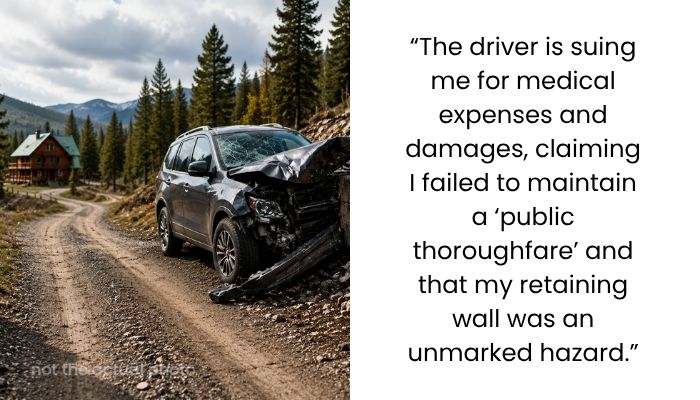
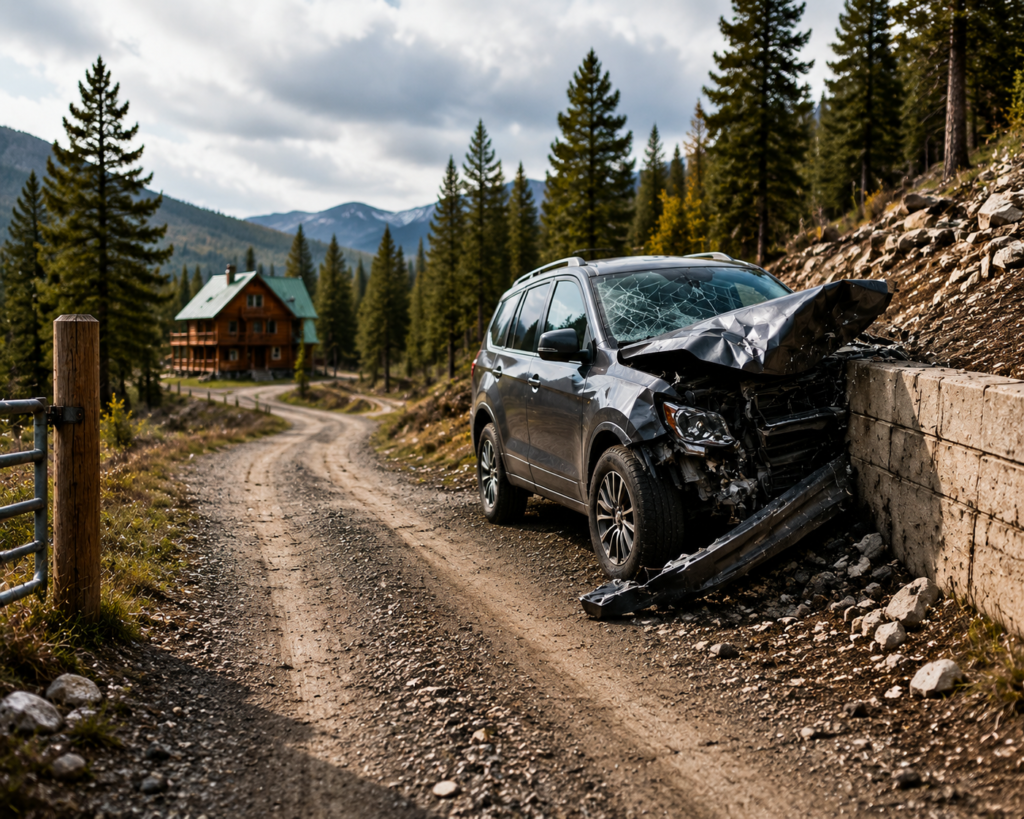
The situation became serious when a tourist used the GPS app at night and drove too fast down the unpaved private road. The vehicle crashed into a concrete retaining wall, and the driver was badly injured.
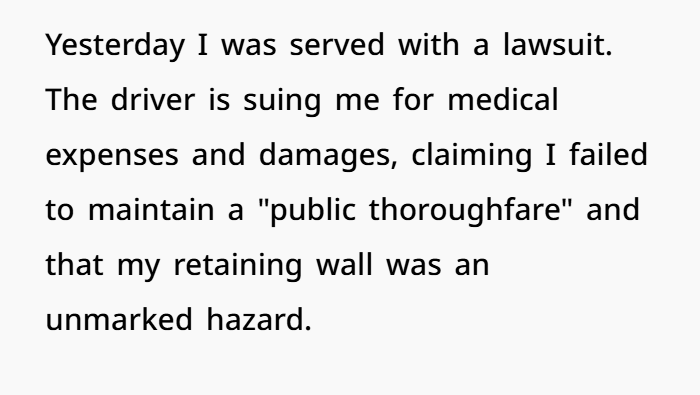
After the accident, the driver filed a personal injury claim. He said the road looked like a public route on the navigation app and was not properly marked as unsafe for regular traffic.
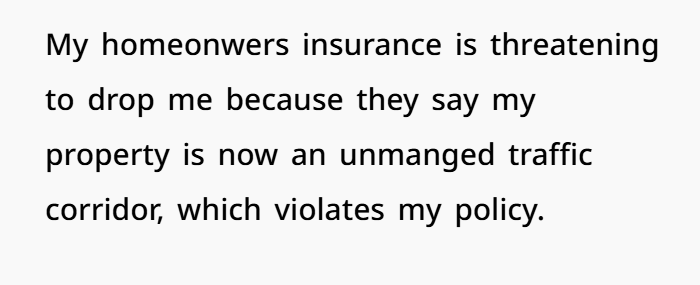
At the same time, the homeowner’s insurance company started reviewing the case. They raised concerns that the property was being treated like an unofficial traffic route, which could increase risk and insurance liability. They even suggested the policy might be canceled.
Now there is a legal dispute between the homeowner, the injured driver, the insurance company, and the GPS navigation app provider.
The main question is about responsibility. It is unclear whether the homeowner is responsible for the accident because of the condition of the private driveway, or whether the GPS mapping company is responsible for giving incorrect driving directions.
This situation highlights growing concerns around GPS navigation errors, personal injury claims, road safety, and digital mapping liability. It also shows how incorrect GPS routes can create serious legal and insurance issues when drivers end up on private property.technology leads people into private or unsafe areas.

Property Owner Responsibility (Premises Liability)
In U.S. law, property owners have different levels of responsibility depending on who enters their land.
People are usually divided into three groups:
- Trespassers (people who enter without permission)
- Licensees (people allowed for limited reasons)
- Invitees (people invited for business or public use)
Most of the time, property owners have very limited responsibility toward trespassers. They are mainly required to avoid intentionally harming them.
Legal information about negligence and property responsibility is explained by Cornell Law School:
In this case, the owner posted clear signs like “Private Property” and “No Trespassing”, and also reported the GPS error multiple times. This can support the argument that the owner tried to prevent accidents and acted responsibly.
Driver Claim and Shared Fault Rules
The injured driver is arguing that the driveway looked like a normal road because the GPS app kept routing people through it, so they believed it was safe to use.
However, U.S. states like Colorado often use a rule called comparative negligence. This means if the driver ignored warning signs or drove too fast, their compensation can be reduced based on their own fault.
So both sides may share some responsibility depending on the evidence.
GPS App and Technology Responsibility
A key part of this case is whether the GPS navigation company can also be held responsible.
Normally, tech platforms often protect themselves under laws like Section 230, which limits liability for content provided through their systems.
However, legal experts debate whether this protection applies when automated navigation systems cause real-world driving decisions, especially if the system gives repeated wrong directions.
This area of law is still developing, especially for GPS navigation apps, mapping software liability, and digital driving guidance systems.
Product Liability and Negligence Arguments
In cases like this, lawyers may argue:
- The app gave incorrect or unsafe navigation instructions
- The company may have failed to fix a known problem
- The error directly contributed to the accident
This can fall under ideas like negligence, product liability, or digital mapping error claims, depending on the court’s view.
Many similar cases involving GPS misrouting accidents and navigation errors are often settled before going to trial, so public court decisions are limited.
Property Owner Legal Defense
The homeowner may argue:
- The driver was a trespasser, not a guest or customer
- Clear warning signs were posted
- The owner reported the problem multiple times
- The driver ignored visible safety warnings
These points can help reduce or avoid liability in a personal injury lawsuit involving private property accidents.
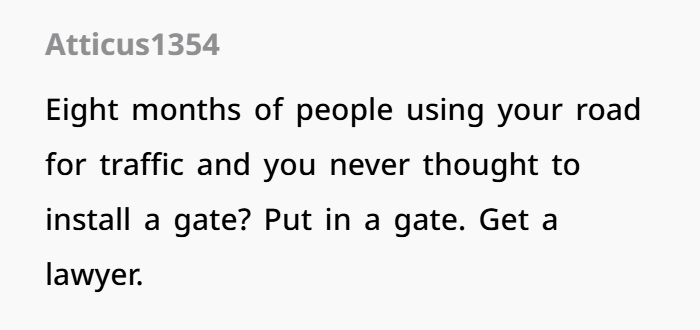
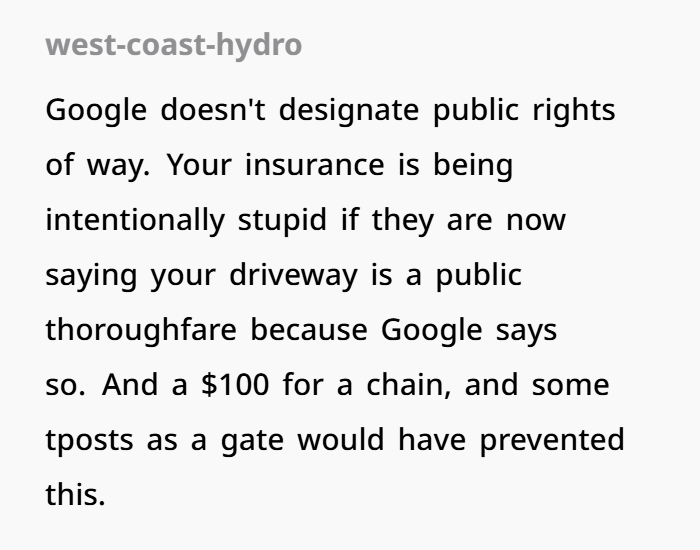
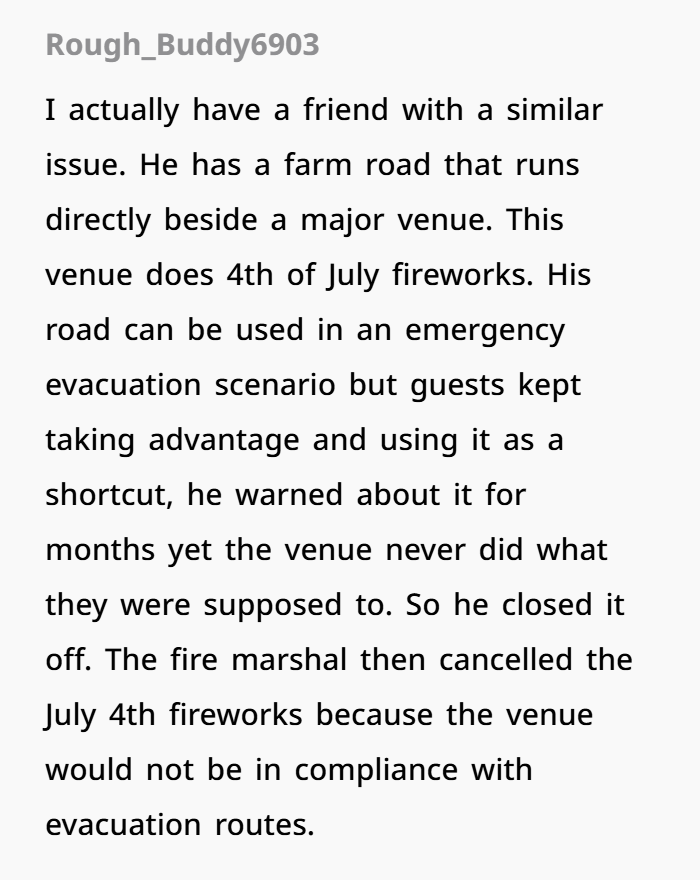
See the comments to know what people said
This case shows how modern technology can create complex legal problems involving:
- GPS navigation errors
- premises liability law
- personal injury claims
- digital mapping responsibility
It highlights how both property owners and technology companies may face legal questions when navigation apps and real-world road safety systems do not match reality.