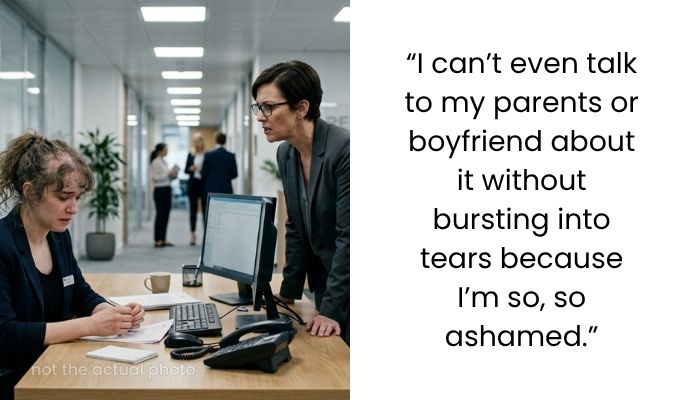
“Receptionist Faces Termination Threat Over ‘Messy’ Hair, Raises Medical Accommodation Questions in At-Will Workplace”

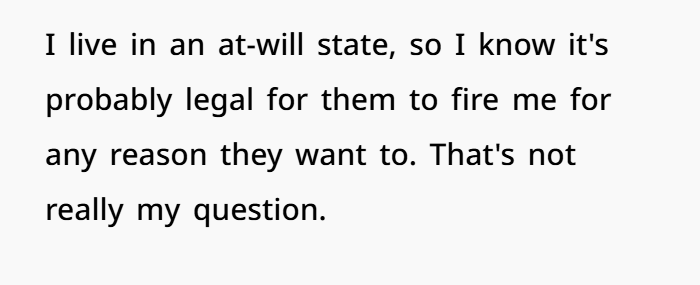
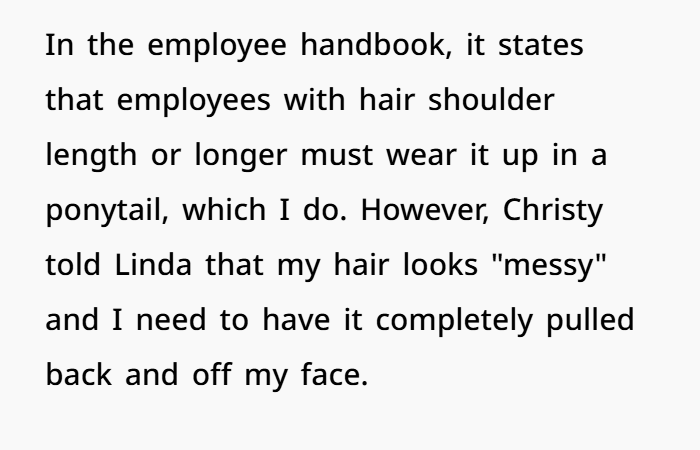
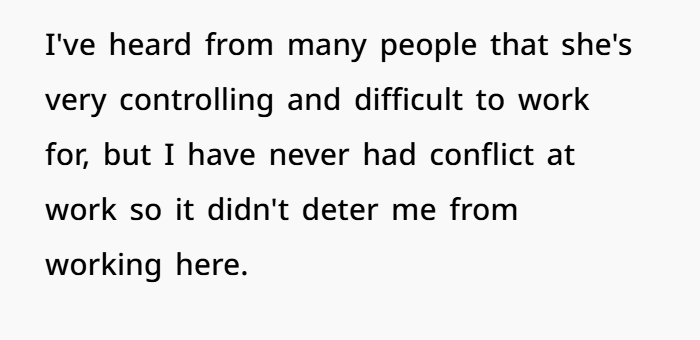
A 26-year-old receptionist working at a small company was told that she may not be able to move forward in her job unless she changes her hairstyle. The manager described her hair as “messy” and said it did not match the company’s appearance standards.
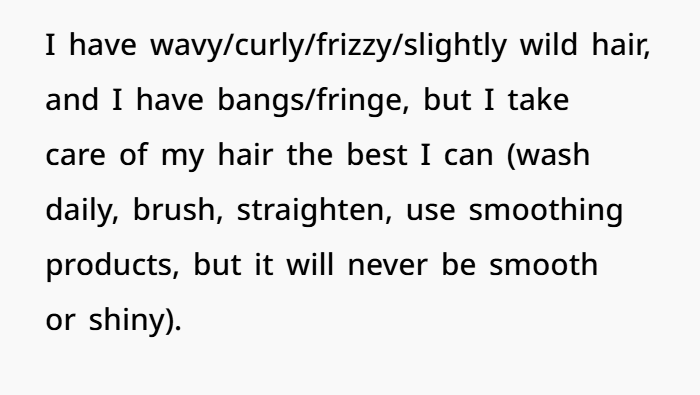
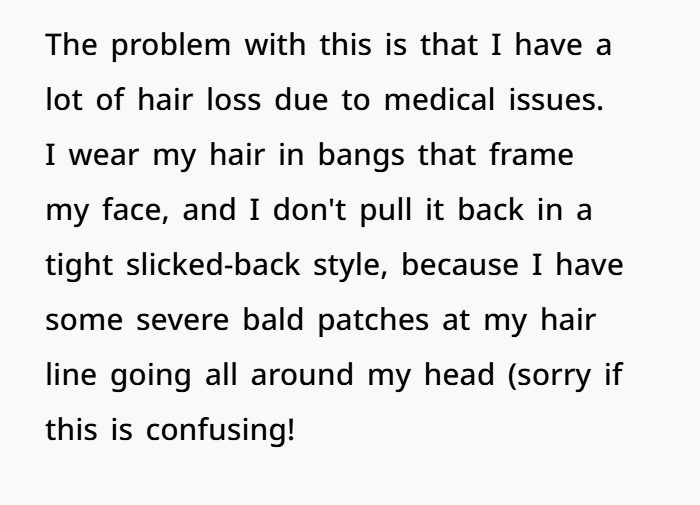
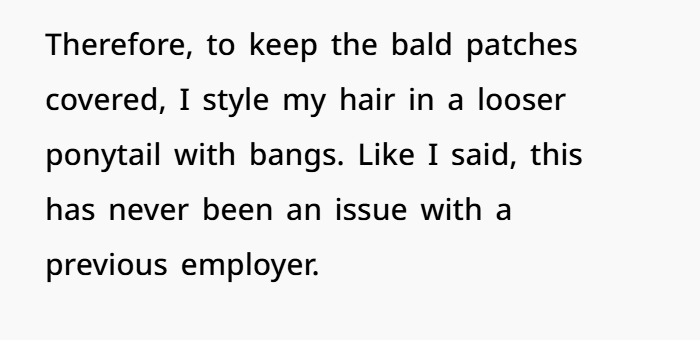
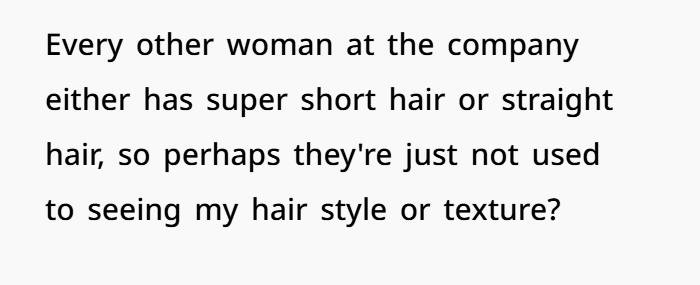
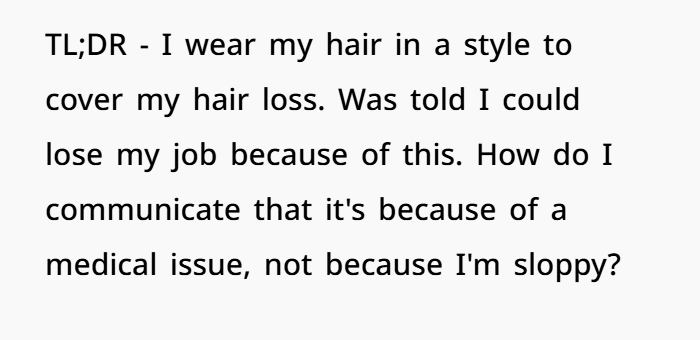
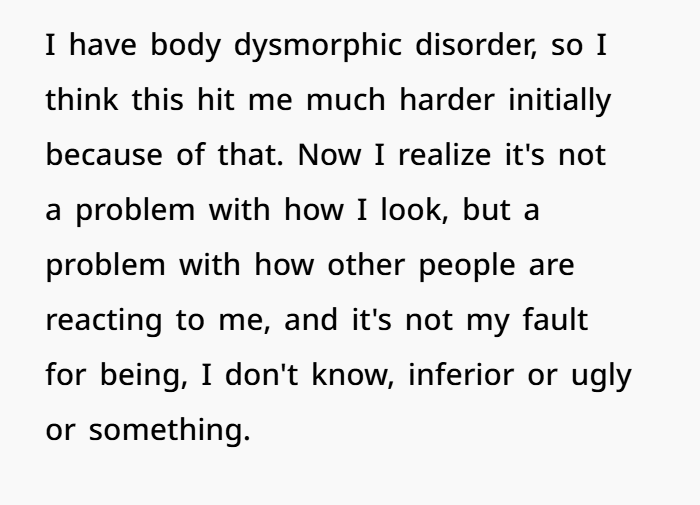
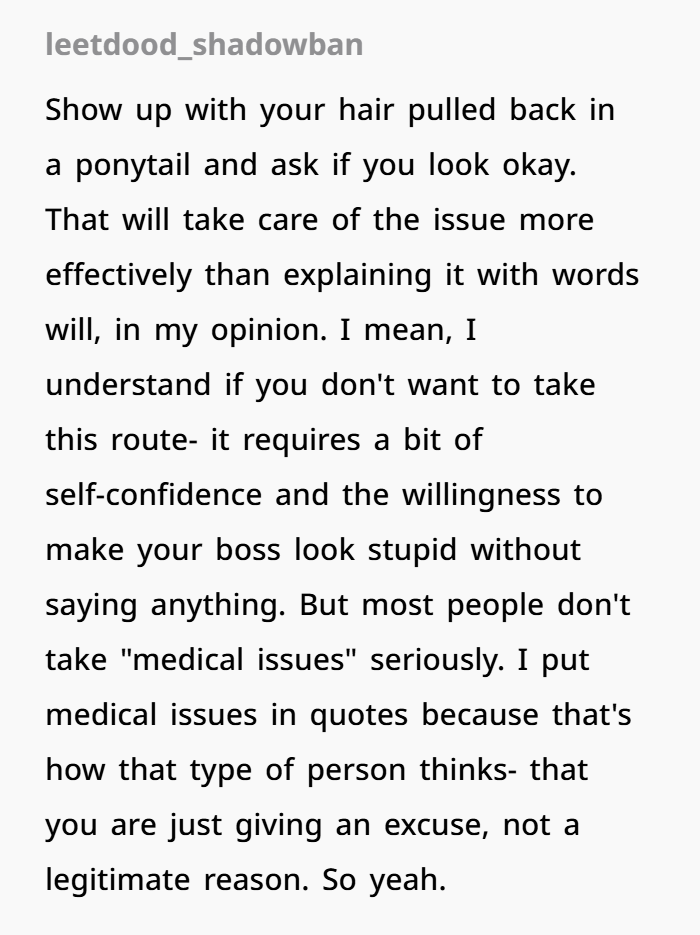
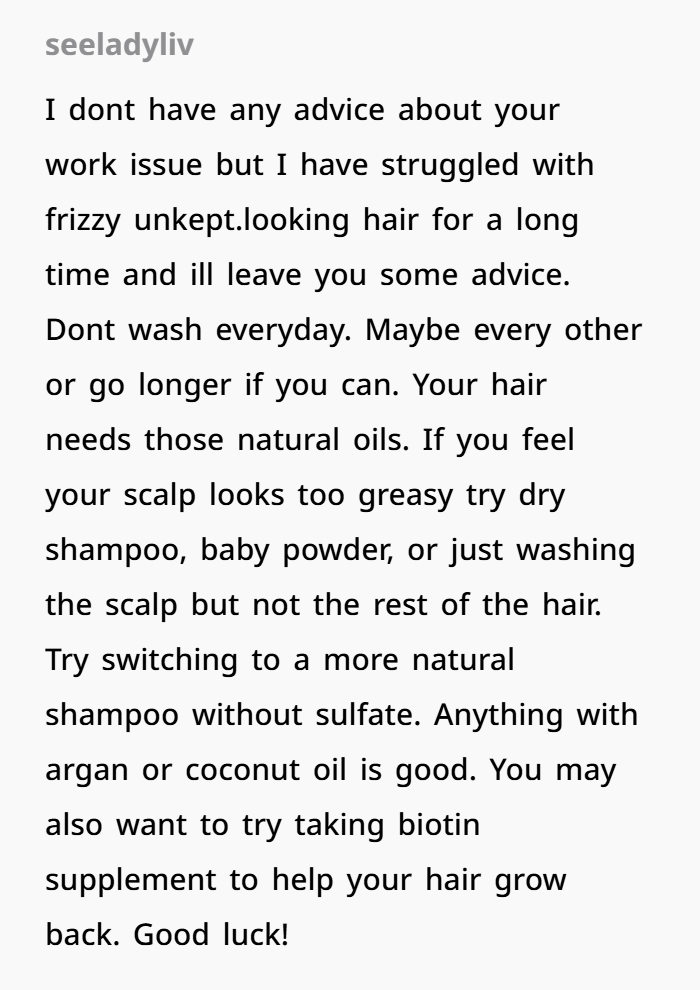
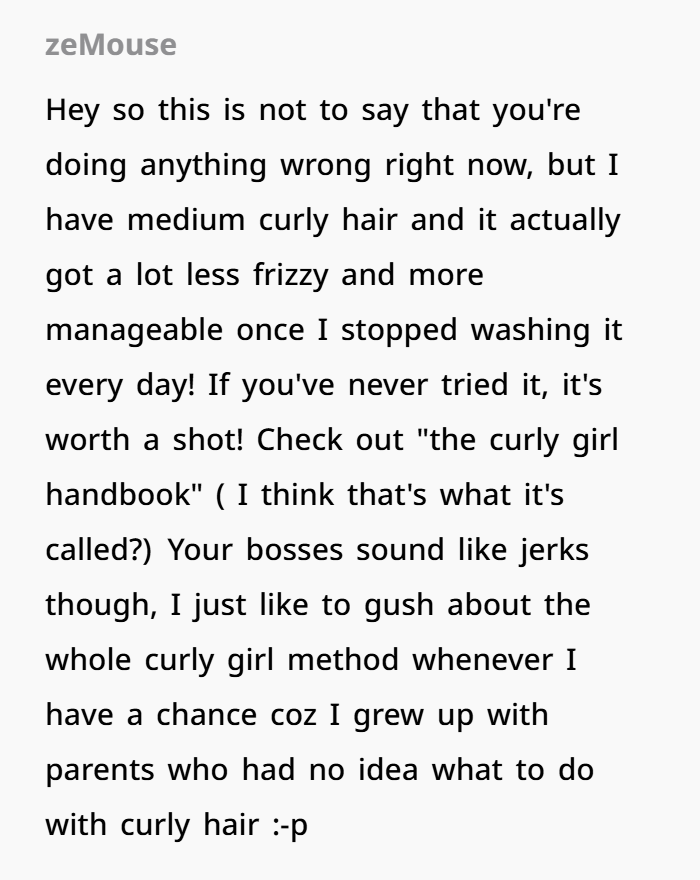
The employee explained that she was already following the company’s rule, which required shoulder-length hair to be tied back in a ponytail for hygiene and safety at work. However, she has naturally curly and frizzy hair. She also uses protective hairstyles because of a medical condition that has caused some hair loss.
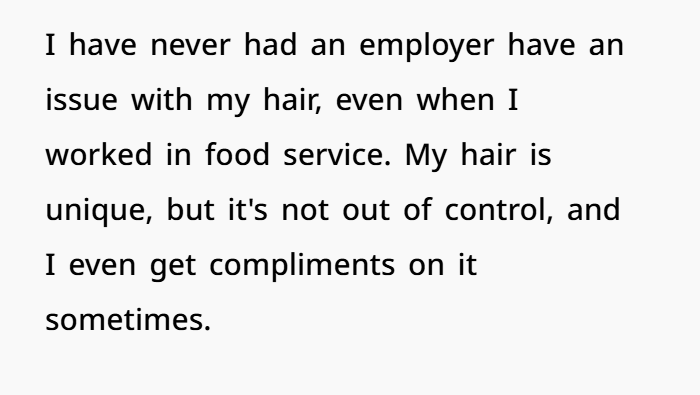
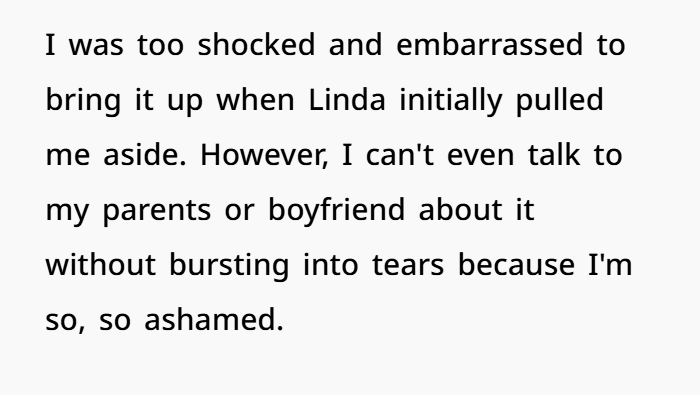
Even after she explained this, the employer still said her appearance was not acceptable. She began to feel that her job security and future growth at the company were being affected because of her natural hair and health condition.

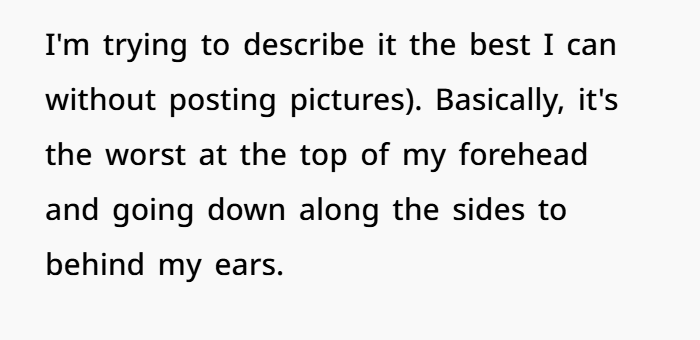
She shared that her hairstyle is not just a personal choice. It is connected to medical and mental health issues, including hair thinning and a sensitive scalp. Changing her hairstyle could make her condition worse and also expose visible hair loss, which would cause emotional stress.
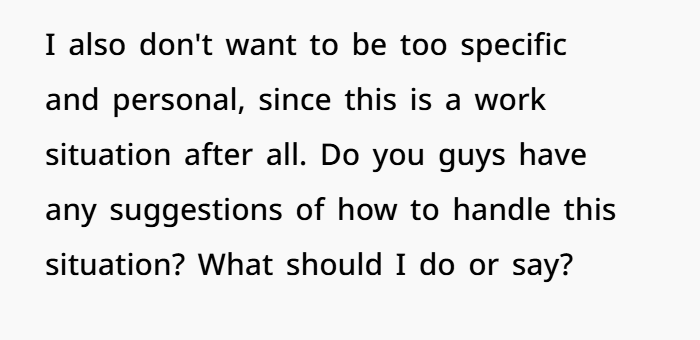
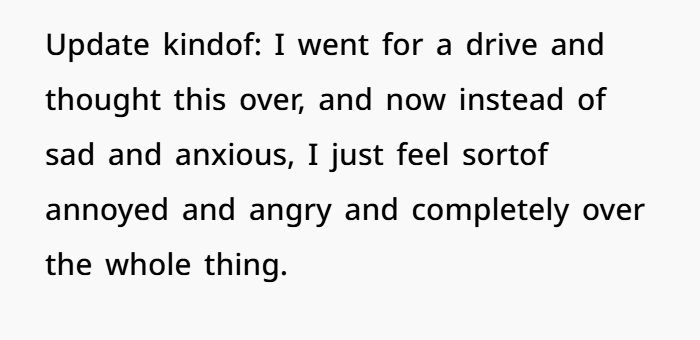
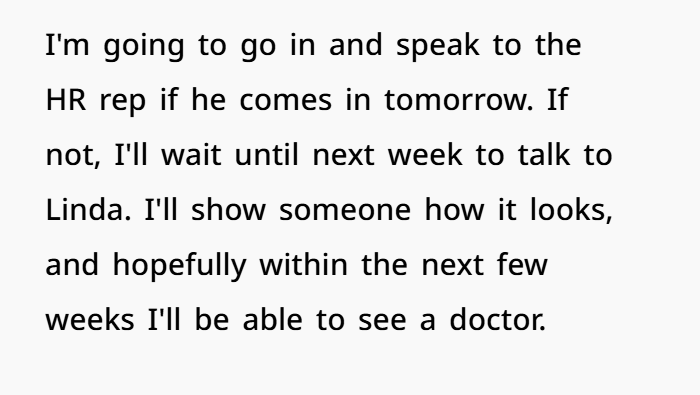
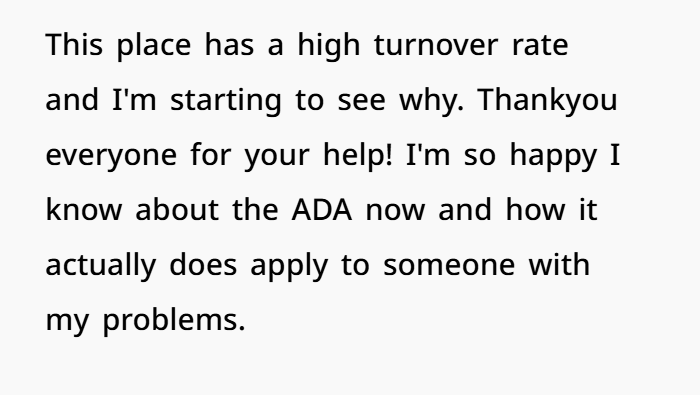
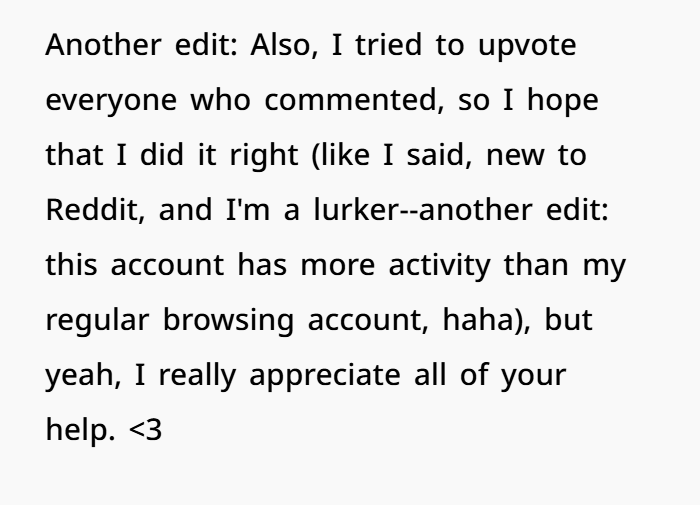
Because of this pressure, she started feeling anxious at work. She became worried about losing her job and not being treated fairly. She decided to speak with HR to understand her rights and see if her situation could be covered under workplace disability accommodation and employee protection policies.
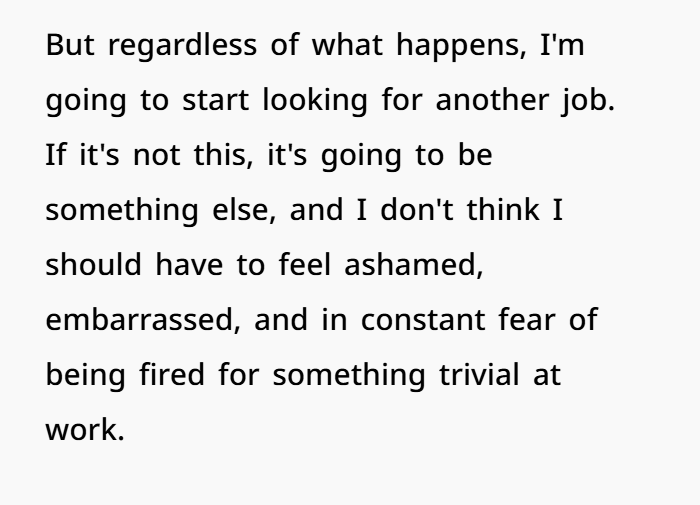
She also started considering looking for a new job because she felt the workplace was not supportive or flexible with her health needs.
This situation highlights important issues like workplace discrimination, employee rights, medical accommodation, and fair treatment at work, especially when company appearance rules affect a person’s health-related needs.


This situation involves a workplace issue related to appearance rules, medical conditions, and employee protection laws.
Disability and Workplace Protection Laws
In the U.S., employment laws such as the Americans with Disabilities Act (ADA) protect workers with medical or mental health conditions.
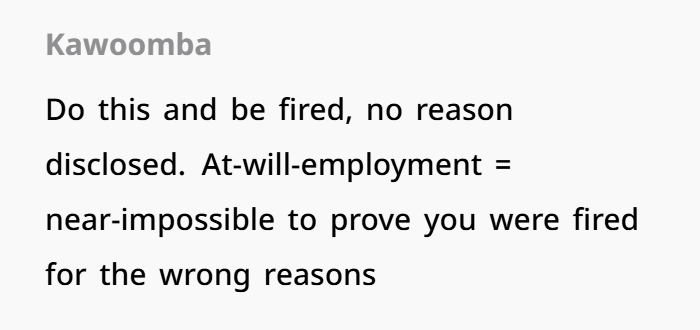
Even in “at-will” jobs, employers cannot legally fire someone for reasons connected to a protected condition.
The ADA applies to companies with 15 or more employees and may include:
- Physical health conditions
- Mental health conditions
- Medical issues that affect daily life
Medical Accommodation in the Workplace
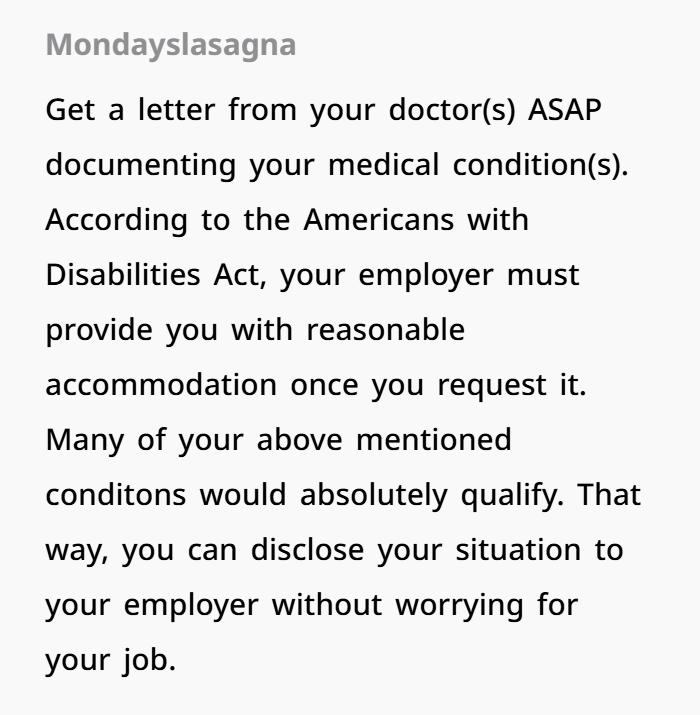
Under ADA rules, employers must provide reasonable accommodations when needed, unless it causes major difficulty for the business.
In this case, the employee’s hair loss and related health issues may be considered a protected condition, depending on medical documentation.
Possible accommodations can include:
- Flexibility in grooming rules
- Adjusted appearance expectations
- Private discussion through HR instead of discipline
Employer Responsibilities (HR Rules)
Workplace law requires employers to:
- Start an interactive process with the employee
- Discuss possible solutions instead of immediate punishment
- Avoid unfair treatment based on medical conditions
- Apply appearance rules in a fair and consistent way
This means employers should talk with the employee and try to find a solution before taking action like warnings or termination.
Appearance Rules vs Medical Needs
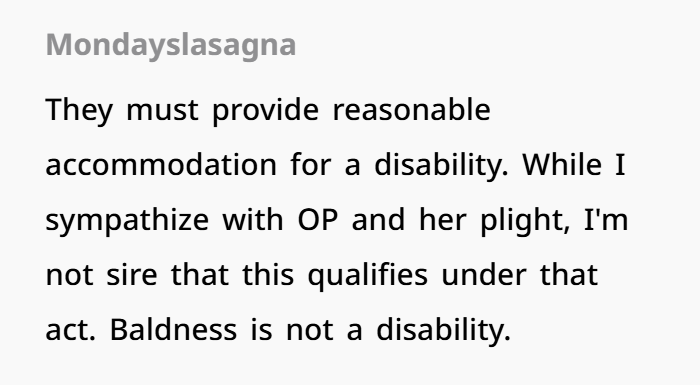
Companies can set grooming and appearance policies. However, these rules cannot be used in a way that unfairly affects employees with medical conditions.
If a rule like “neat hairstyle required” conflicts with a health condition, employers may need to make an exception.
This is a common issue in workplace discrimination and employee rights cases.
Workplace Risk and Legal Issues
Problems like this can lead to:
- EEOC complaints (employment discrimination claims)
- Legal consultation with employment lawyers
- HR policy reviews
- Workplace accommodation disputes
In many cases, the issue is not the appearance policy itself, but how it is applied to employees with medical needs.
HR Best Practices
Experts in HR compliance and workplace law recommend that companies:
- Use clear, objective grooming standards
- Avoid vague terms like “messy”
- Train managers on disability accommodation rules
- Discuss medical needs privately and respectfully
- Follow ADA guidelines before taking action
See the comments to know what people said
This story shows how workplace appearance rules, medical conditions, and employee rights laws can overlap.
It highlights the importance of:
- Fair treatment under ADA workplace protections
- Proper handling of medical accommodation requests
- Clear and respectful HR communication
- Avoiding assumptions about employee performance based on appearance
In modern workplaces, employee rights and disability accommodations must be considered alongside company policies to prevent discrimination and legal risk.