


28M Discovers Long-Term Girlfriend’s Workplace Affair With Her Married Boss Weeks Before Major Life Plans—Quiet Exit or Confrontation?

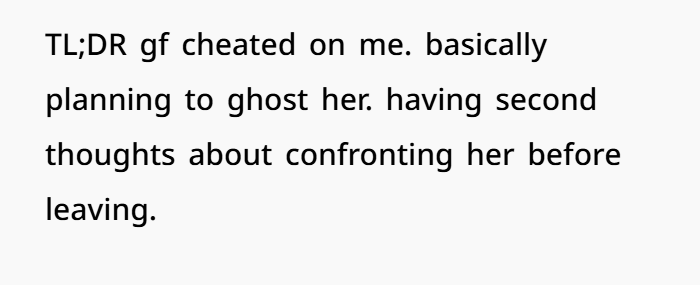
This story is about a man in a long-term relationship who discovered that his girlfriend was having an affair with her boss.
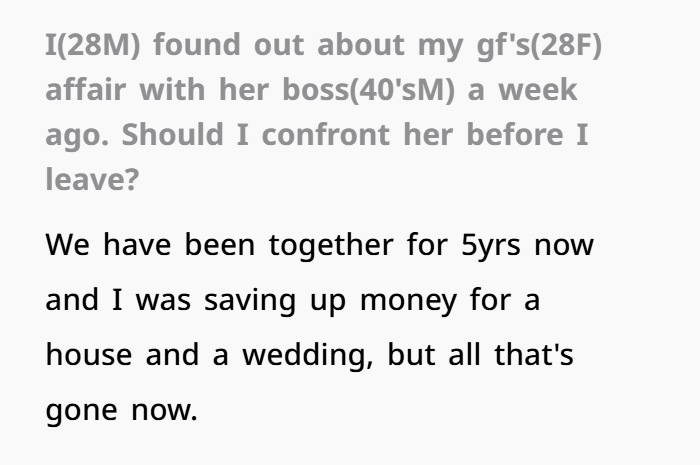
The man, 28, had been with his girlfriend for five years. They were planning their future together, including marriage, buying a home, and building financial stability. On the surface, everything looked normal.
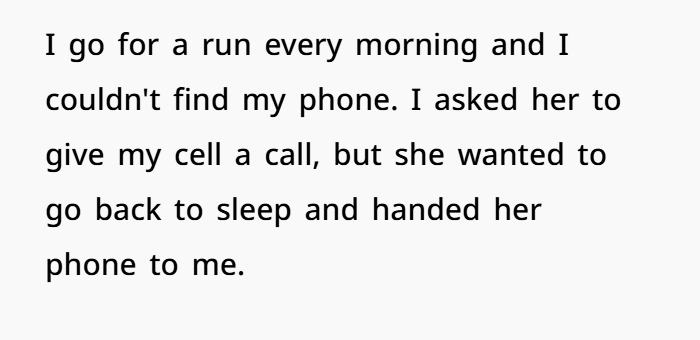
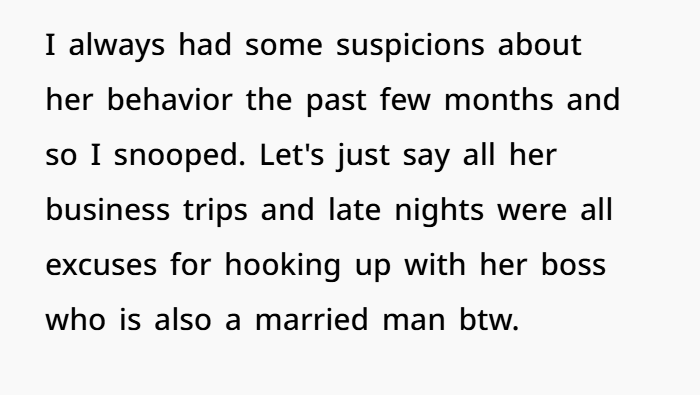
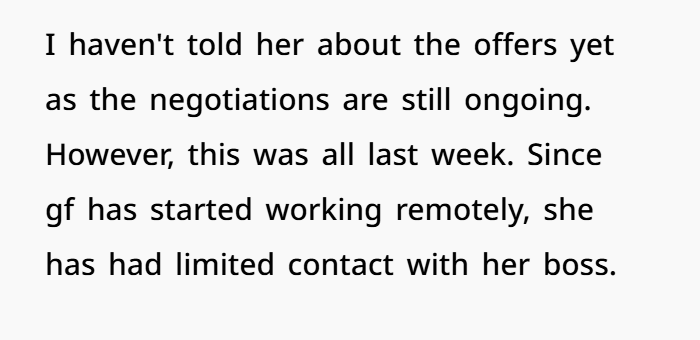
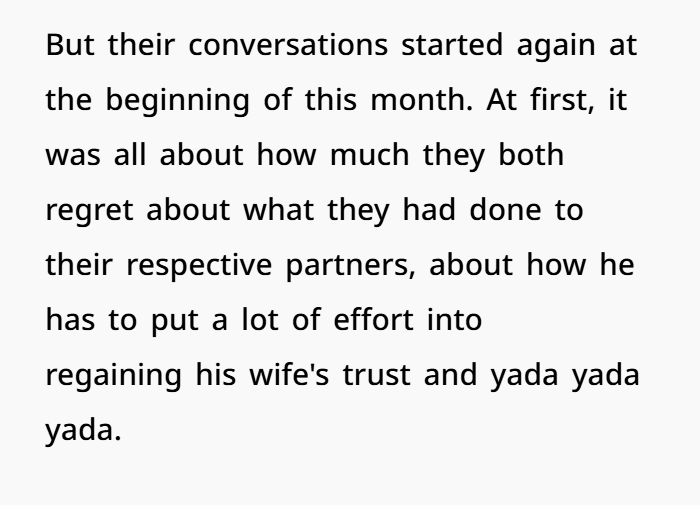
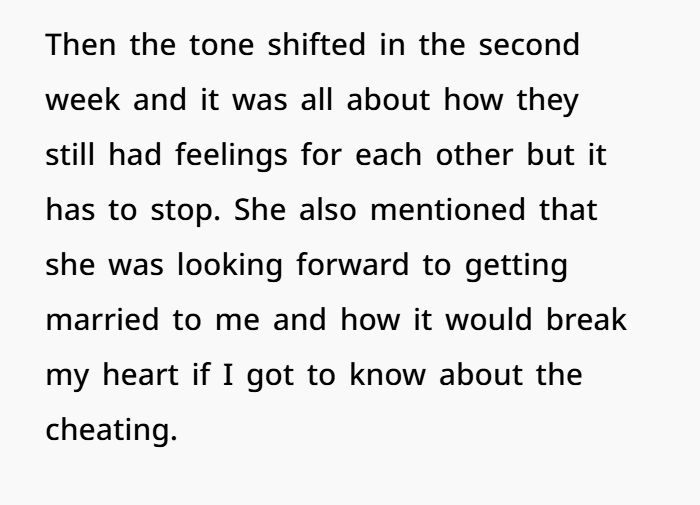
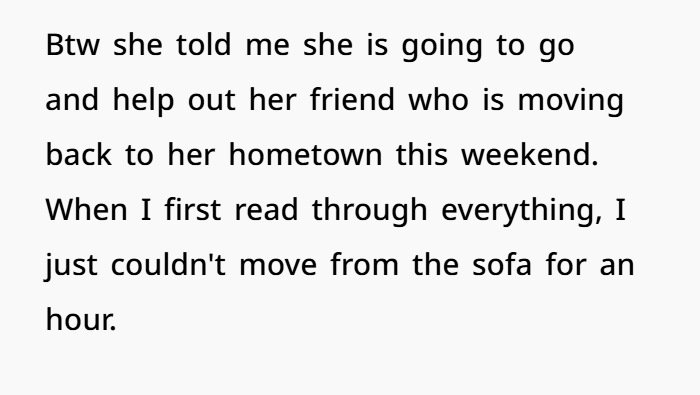
One day, while using her phone, he accidentally found messages that showed she had been in a long-term workplace affair with her boss, who is in his 40s. The messages showed repeated meetings, emotional closeness, and secrecy around work trips and late nights.


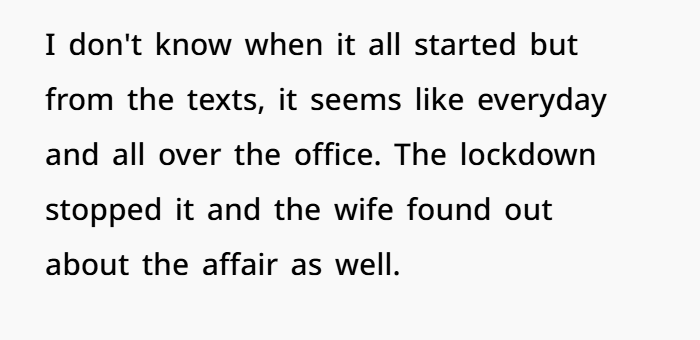
The relationship with the boss had continued for a long time, even while the couple was still making future plans together. There were also signs that the affair had stopped and started again at different points.
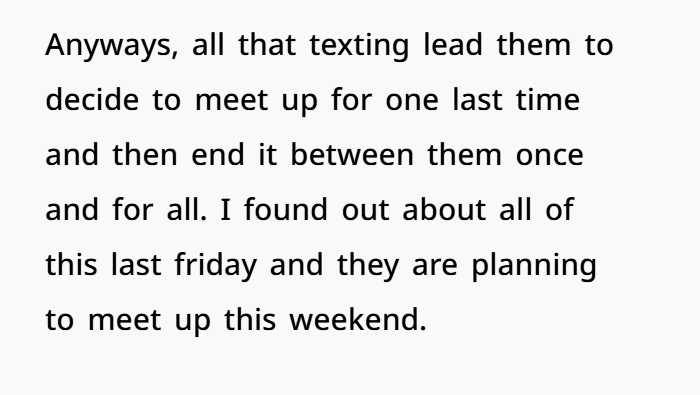
In the messages, there was also talk of a planned meeting being hidden under a normal work excuse. This made the situation even more painful for him to process.
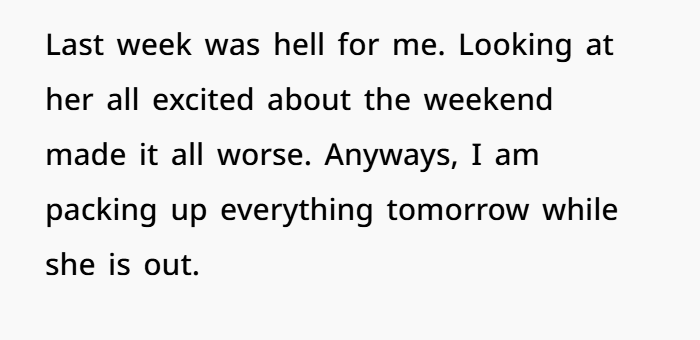
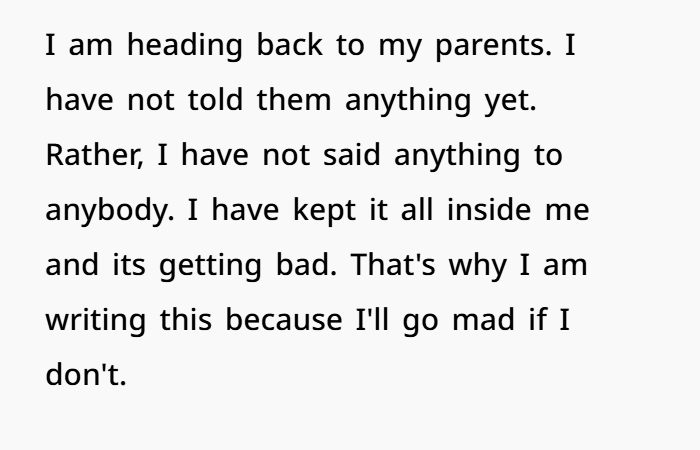
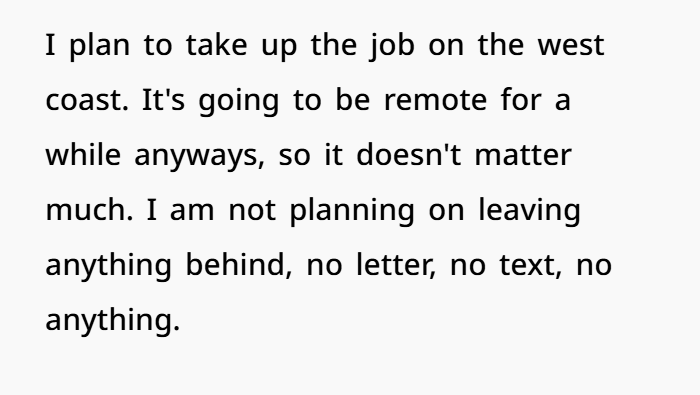
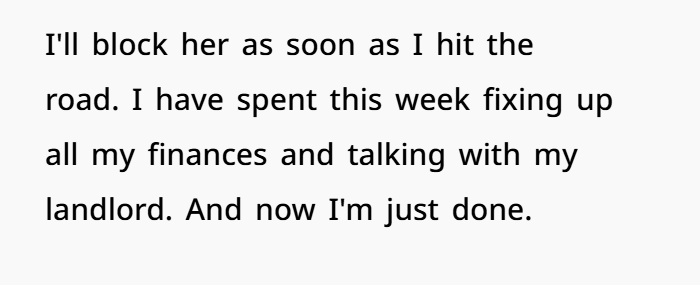
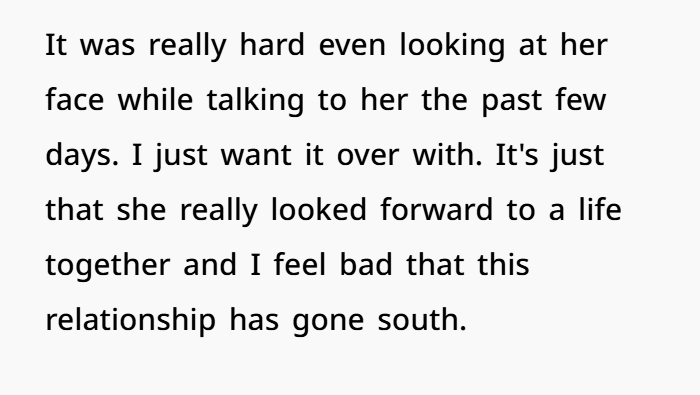
After discovering everything, the man felt deeply hurt and could no longer trust his partner. Instead of confronting her right away, he started planning to leave quietly. He began packing his belongings, looking at job relocation options, and considering a high-paying job offer on the West Coast.
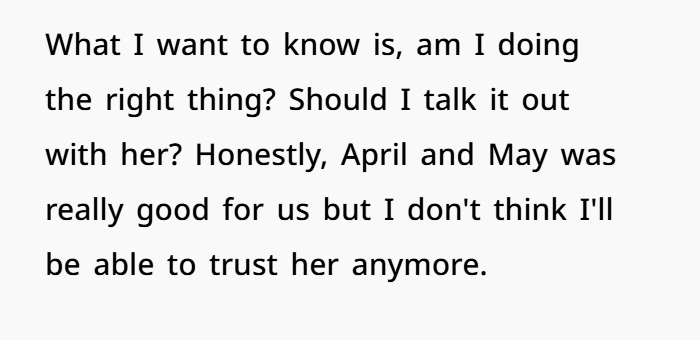
Now he is unsure whether he should confront her before leaving or simply walk away to protect his emotional health and avoid more conflict.
The main issue in this story is about trust in relationships, emotional betrayal, workplace affairs, and difficult choices in long-term partnerships, especially when shared goals like marriage, home ownership, and financial planning are involved.


This situation involves a serious relationship breakdown caused by infidelity, emotional betrayal, and difficult decision-making after discovery.
1. Emotional Impact of Discovering Betrayal
Research from the American Psychological Association (APA) shows that discovering cheating in a relationship can create strong emotional reactions similar to stress, grief, and trauma.
People may experience:
- Shock and confusion
- Anxiety and overthinking
- Emotional numbness
- Difficulty trusting again
When someone finds out through messages or private evidence, they may choose to avoid confrontation and quietly distance themselves instead of arguing.
This is often called a silent exit, where a person leaves without discussion to protect their emotional well-being.
2. Workplace Affairs and Relationship Patterns
Studies show that workplace relationships are more likely to develop because of:
- Close daily interaction
- Emotional bonding at work
- Private communication over time
In cases involving a boss or senior coworker, the power difference can make the relationship more complicated and secretive.
Common patterns include:
- Breaking up and restarting
- Emotional justification for continuing the affair
- Keeping two relationships at the same time
These patterns often create long-term instability in both relationships.
3. Financial and Life Planning Considerations
When couples share plans like:
- Marriage
- Living arrangements
- Money savings and investments
- Job relocation or career changes
A breakup can also create practical issues.
Experts often suggest checking:
- Lease agreements or shared housing
- Financial responsibilities
- Job and relocation plans
This helps avoid legal or financial problems during separation.
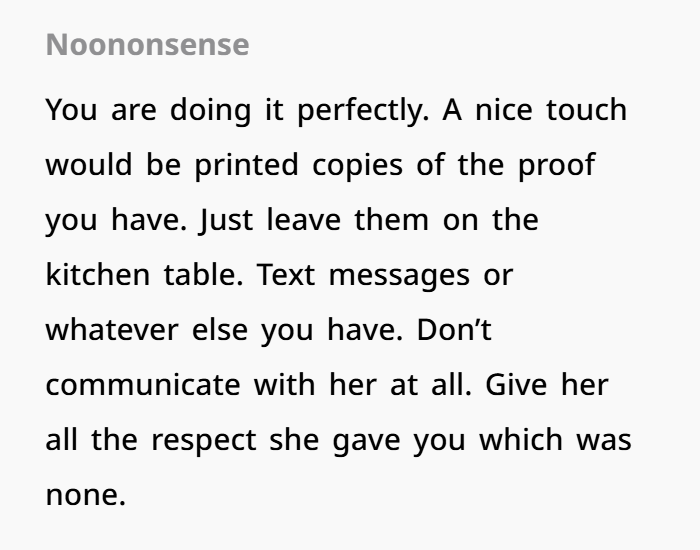
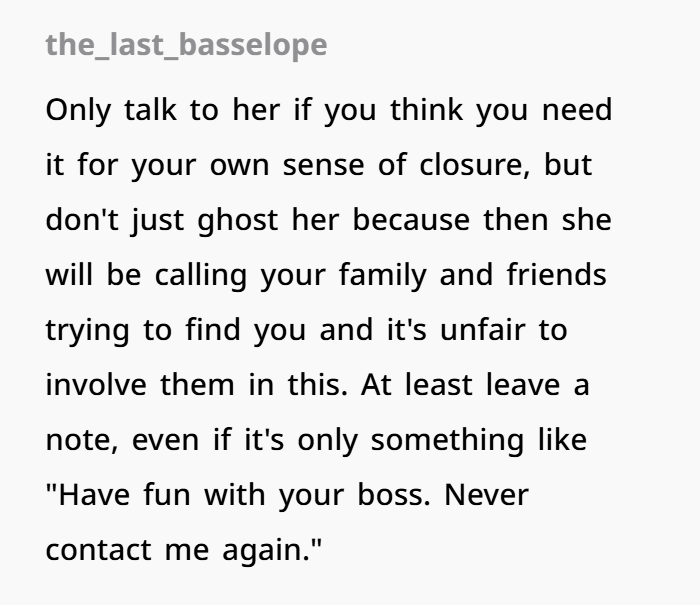
4. Confrontation vs Silent Exit
Research on breakups shows two common choices:
Confrontation
- Can give answers and emotional closure
- May lead to arguments or emotional stress
Silent exit (no confrontation)
- Reduces immediate emotional conflict
- Helps avoid manipulation or repeated arguments
- May leave some feelings unresolved
Studies suggest that closure does not always come from talking to the other person—it can also come from time, reflection, or therapy.
5. Breakup Outcomes in Similar Cases
Research shows that relationships involving repeated infidelity and emotional attachment outside the relationship are very difficult to repair.
Reconciliation is less likely when:
- The affair lasted a long time
- Emotional connection was strong
- Secret meetings continued over time
In most cases, successful recovery only happens when both people fully commit to change and remove outside influences.
See the comments to know what people said




This story shows how trust breakdown, workplace affairs, and emotional betrayal can deeply affect a long-term relationship.
In situations like this, experts usually focus on:
- Emotional healing
- Financial and life stability
- Safe decision-making
- Avoiding further emotional harm
Whether someone chooses confrontation or silence, the priority is often protecting mental health and preparing for life changes such as relocation, career moves, and relationship separation.