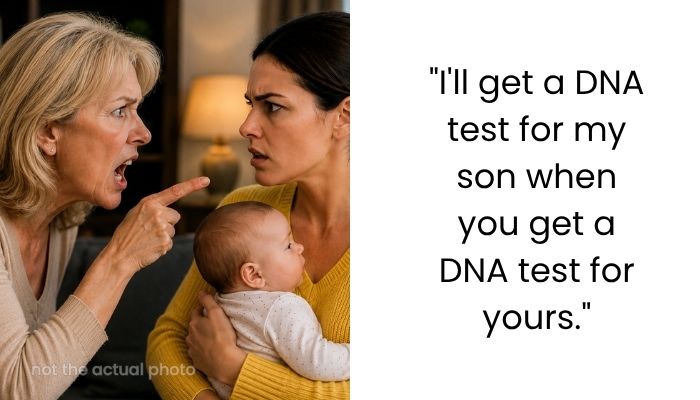


I 21F found out my husband 33M has been having an affair with my mother, and I don’t know where to go from here?

A 21-year-old woman’s short marriage falls apart after she discovers a very serious extramarital affair involving her 33-year-old husband and her 40-year-old mother.
The relationship between the couple began when she was 18 and he was 30. At first, things seemed stable, but later it is viewed as an age-gap relationship where there may have been a power imbalance and emotional dependence.
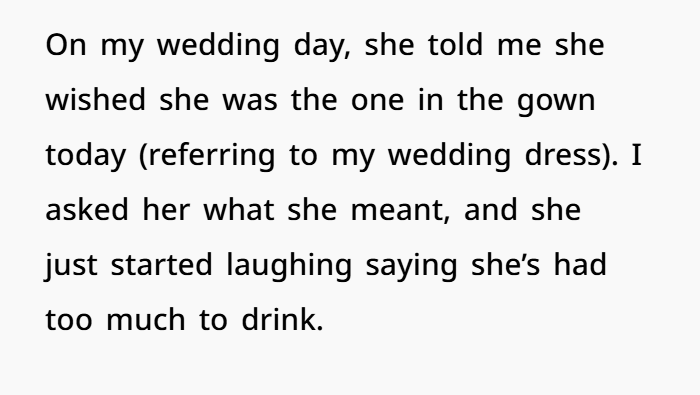
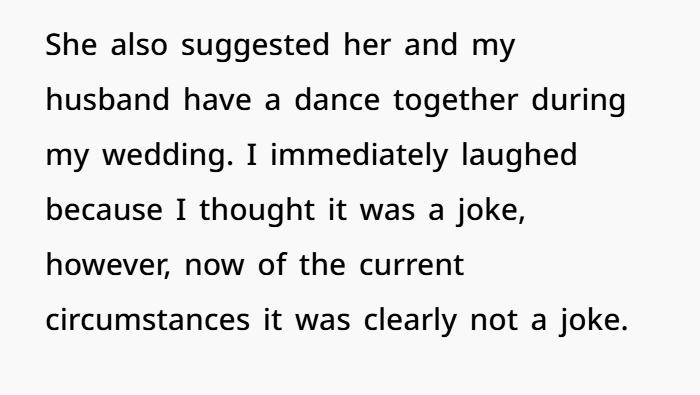
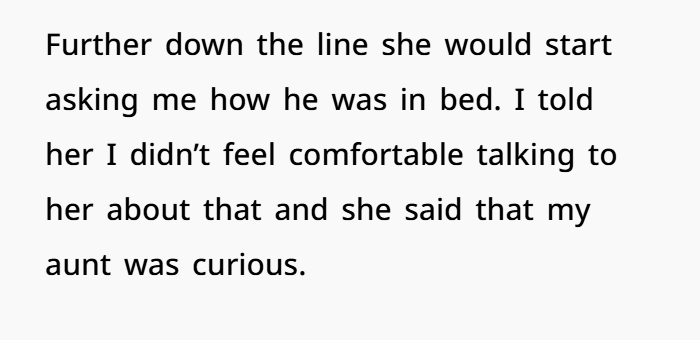
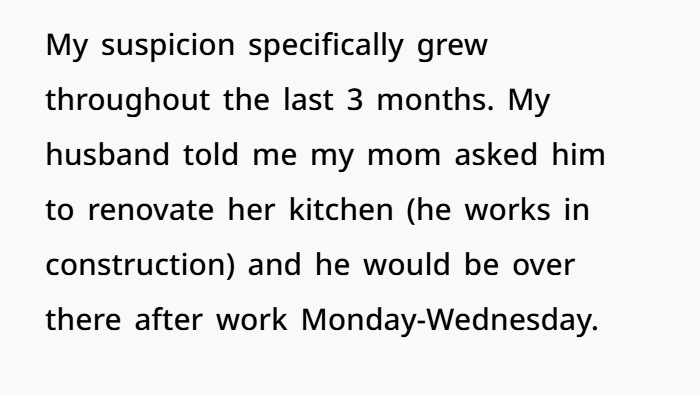
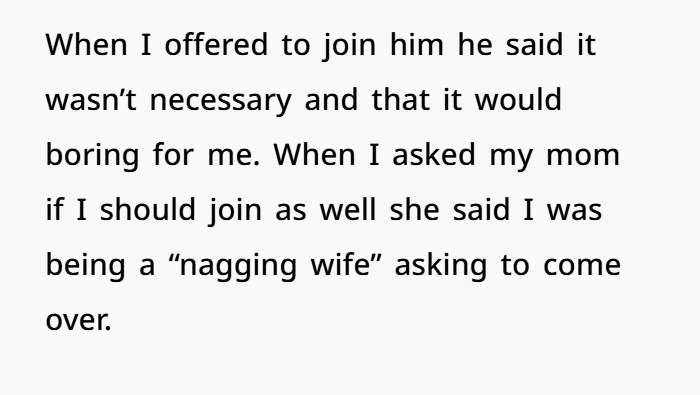
Over time, the woman started noticing unusual behavior from her mother. She says her mother made inappropriate comments, asked very personal questions, and encouraged her husband to spend more time at their home. The husband began visiting often and said he was helping with renovation work at the mother’s house.


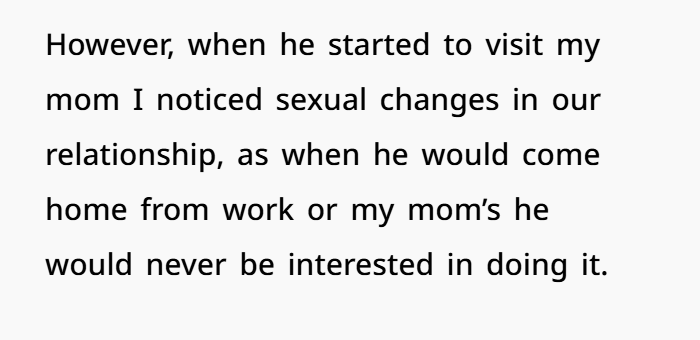
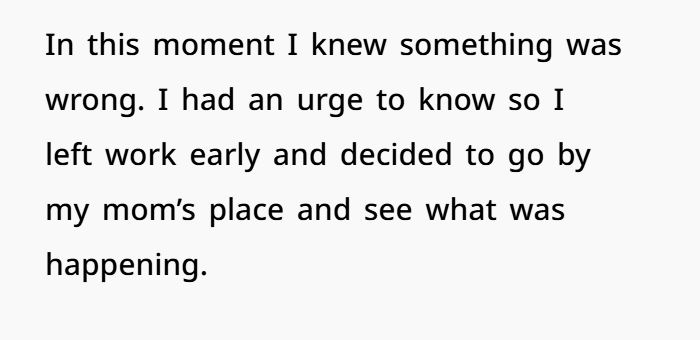
Later, the woman became suspicious when the renovation story did not fully make sense. At the same time, she noticed emotional distance in her marriage and changes in her husband’s behavior.
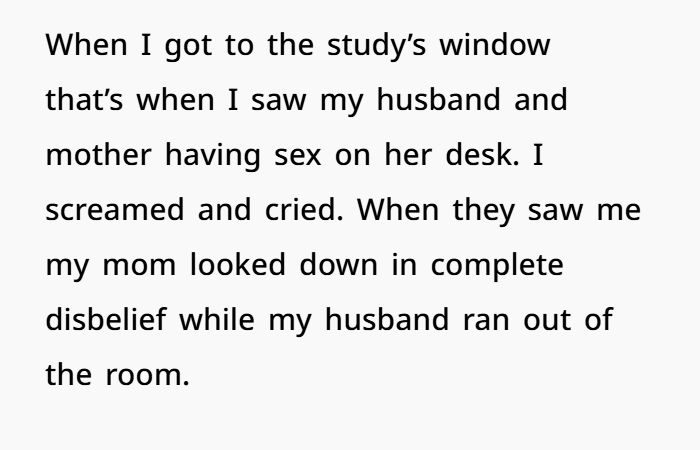
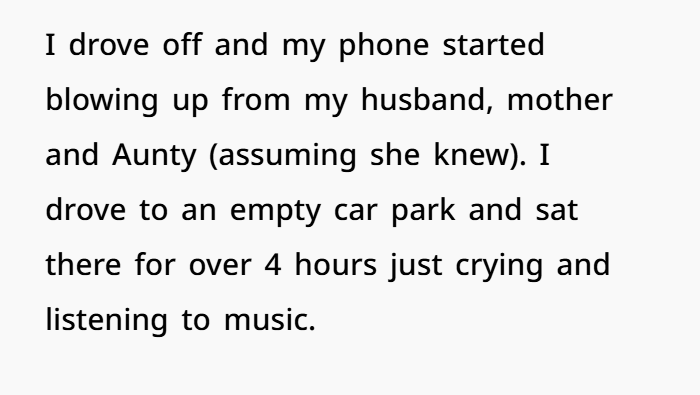
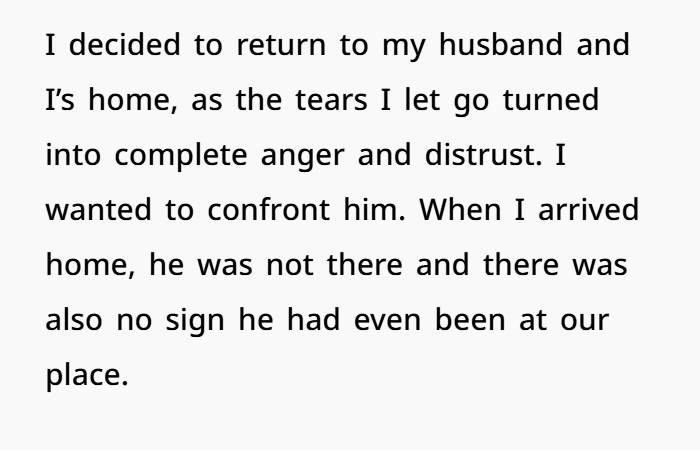
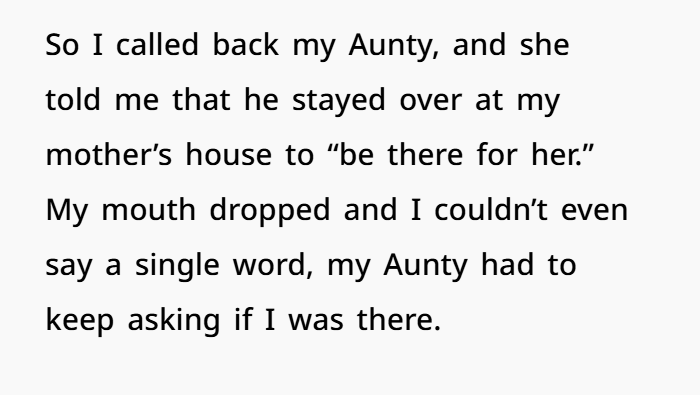
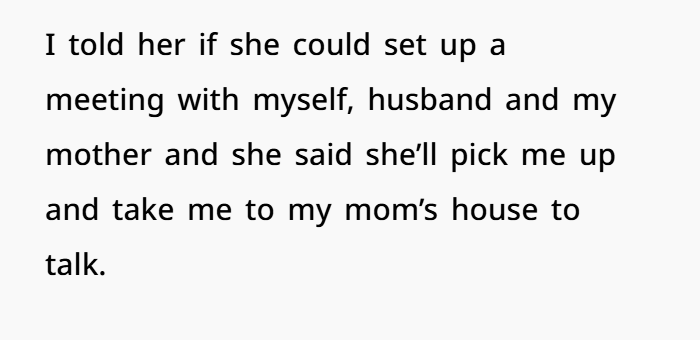
Eventually, she discovered that her husband and her mother were having an affair. When she confronted them, it became clear that the relationship had been going on for months after the wedding.
After this, the situation completely broke down. The woman felt deeply hurt and betrayed by both her husband and her mother. She also faced financial stress because she had planned to rely on her husband while staying at home.
The main issue in this story is about trust, family betrayal, emotional harm, and financial insecurity after infidelity. It also highlights how age-gap relationships and lack of support systems can make emotional and practical challenges even harder to manage.







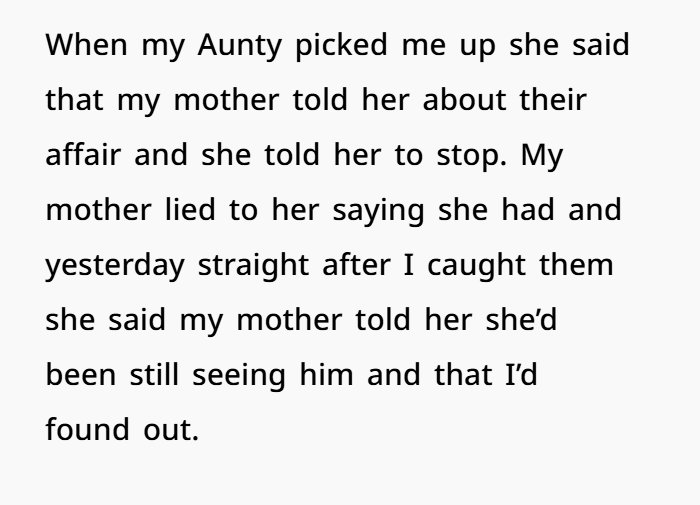
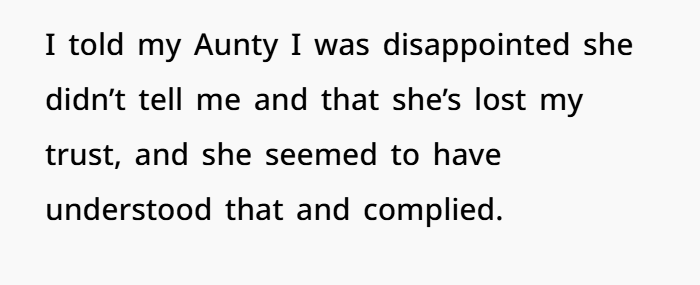
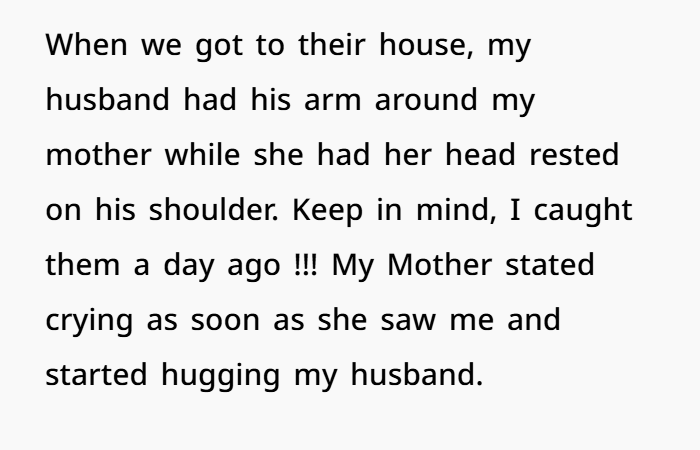

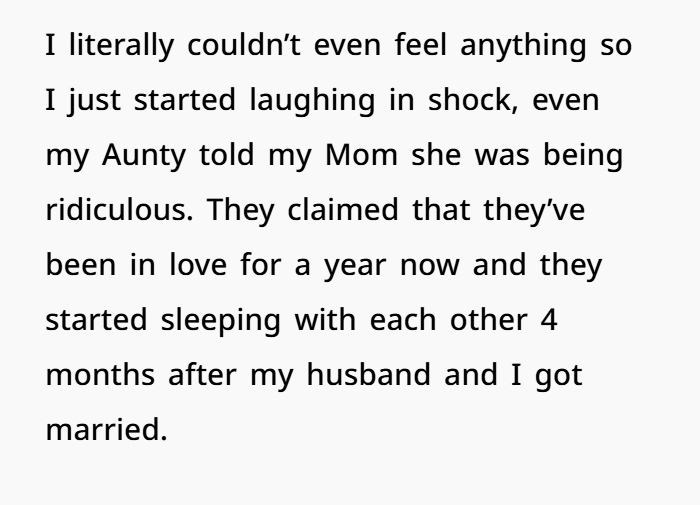
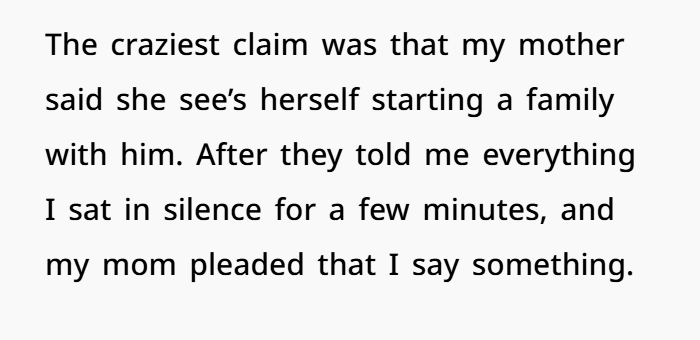
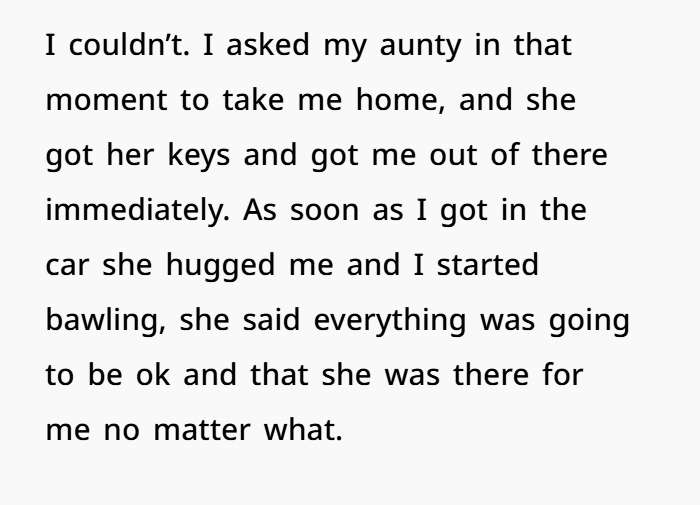

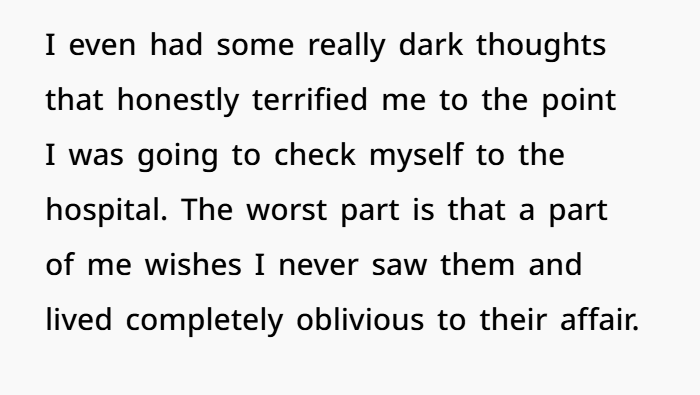
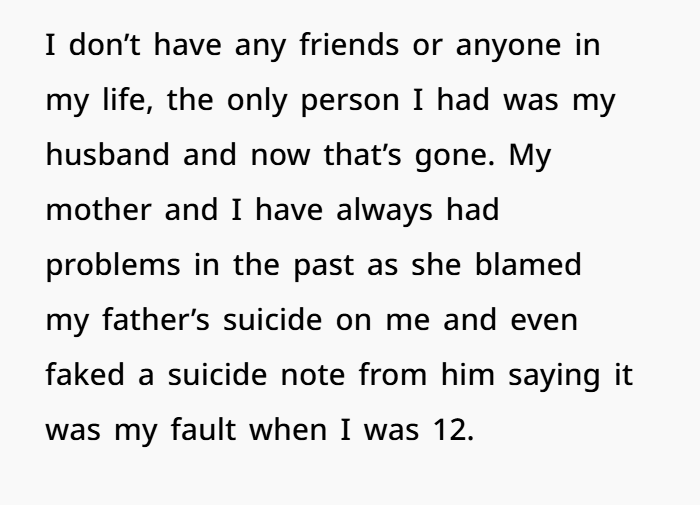
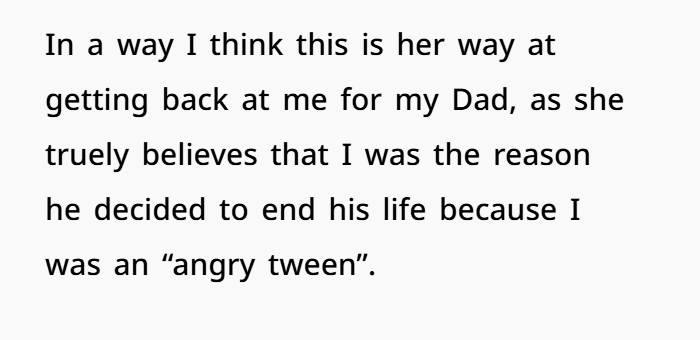

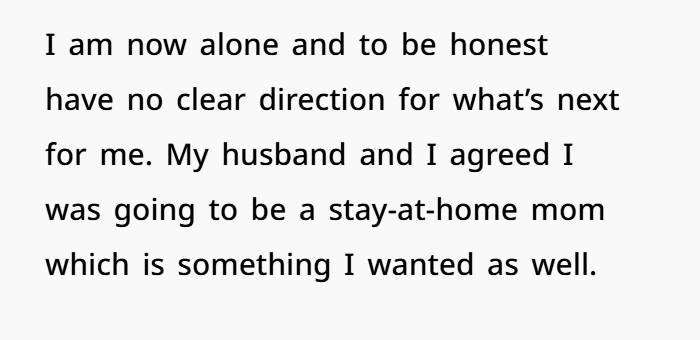

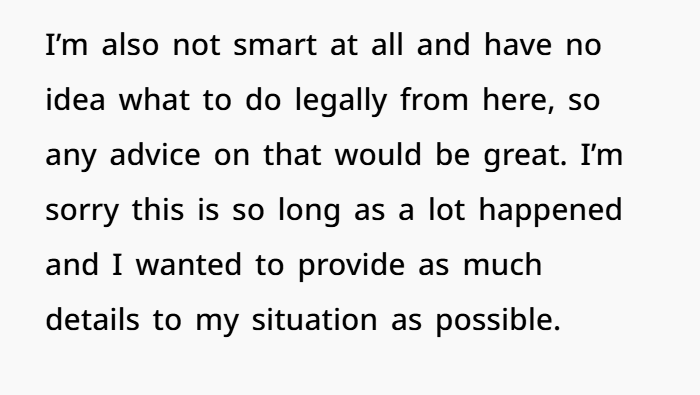

This situation involves a very serious case of betrayal, family breakdown, and emotional trauma, where both a spouse and a parent are involved in an affair.
1. Emotional Trauma and Mental Health Impact
Psychologists describe this type of situation as betrayal trauma, which happens when someone is deeply hurt by people they trust the most, such as a partner or parent.
It can cause strong emotional reactions, including:
- Shock and emotional numbness
- Anxiety and sleep problems
- Intrusive thoughts or flashbacks
- Depression and deep sadness
Research from mental health organizations shows that losing both a spouse and a parent at the same time can lead to severe emotional distress and trauma symptoms.
2. Power Imbalance in Early Relationship
The relationship starting when she was 18 and he was 30 can be seen as a large age-gap relationship, where one person may have more life experience, stability, and control.
Even if it is legal, psychology research says such relationships can sometimes create:
- Emotional dependence
- Unequal decision-making
- Less independence in young partners
This becomes more damaging when combined with secrecy and family involvement.
3. Family Breakdown and Boundary Issues
The affair between a husband and a mother is a severe form of family relationship breakdown.
Family psychology explains this as a “broken boundary system,” where normal family roles become confused or inappropriate.
In this case, the mother’s behavior (personal comments, emotional closeness, and interference in the marriage) reflects serious boundary violations, which can damage trust and emotional stability within the family.
4. Legal Perspective (Divorce and Financial Protection)
From a legal point of view, this situation is often grounds for divorce due to adultery and emotional harm in many countries.
Legal issues may include:
- Divorce filing based on infidelity
- Spousal support (alimony) decisions
- Division of shared assets and property
Since the woman was planning to depend financially on her spouse, it becomes very important to consider:
- Financial independence
- Legal protection of assets
- Advice from a family law attorney or divorce lawyer
5. Emotional Recovery and Mental Health Support
After such a betrayal, people may experience intense emotional distress. Experts often recommend:
- Therapy for trauma and stress
- Counseling for emotional regulation
- Support from trusted friends or professionals
Mental health resources can help with recovery and stabilization.
6. Key Recovery Steps in Similar Cases
Experts in family law and mental health often suggest:
- Creating distance from people involved in the betrayal
- Seeking legal advice before financial decisions
- Documenting important communication
- Building emotional and financial independence
- Reaching out to a support network or counselor
See the comments to know what people said


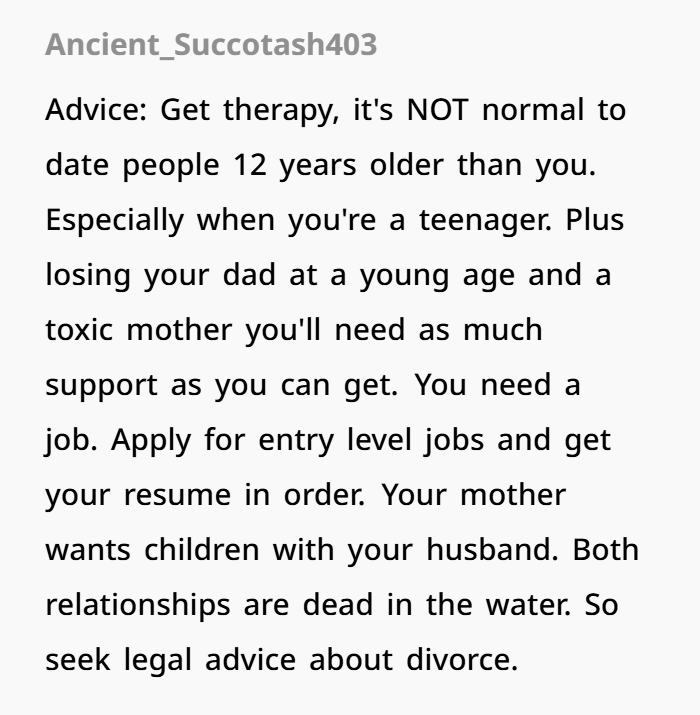


This story shows one of the most severe forms of relationship betrayal and family breakdown, involving both a spouse and a parent.
It highlights the importance of:
- Protecting mental health and emotional safety
- Understanding legal rights in divorce and financial support
- Rebuilding independence and support systems after trauma
In situations like this, recovery often requires both legal protection and long-term emotional healing.